
When Does a Child Need a Space Maintainer? A Parent’s Guide
When Does a Child Need a Space Maintainer? A Parent’s Guide
Losing a baby tooth is a normal part of growing up. Most children will eventually lose all of their primary teeth as their permanent teeth develop underneath them. But what happens when a baby tooth is lost earlier than expected?
In some cases, losing a primary tooth too soon can create problems for the permanent tooth that is still developing. A space maintainer may be recommended to help keep the open space available until the permanent tooth is ready to come in.
For parents, the idea of putting an orthodontic appliance in a child’s mouth can raise plenty of questions. Why is it necessary? Does every child who loses a baby tooth need one? How long will it stay in place?
Understanding the purpose of space maintainers can make the process much easier.
What Is a Space Maintainer?
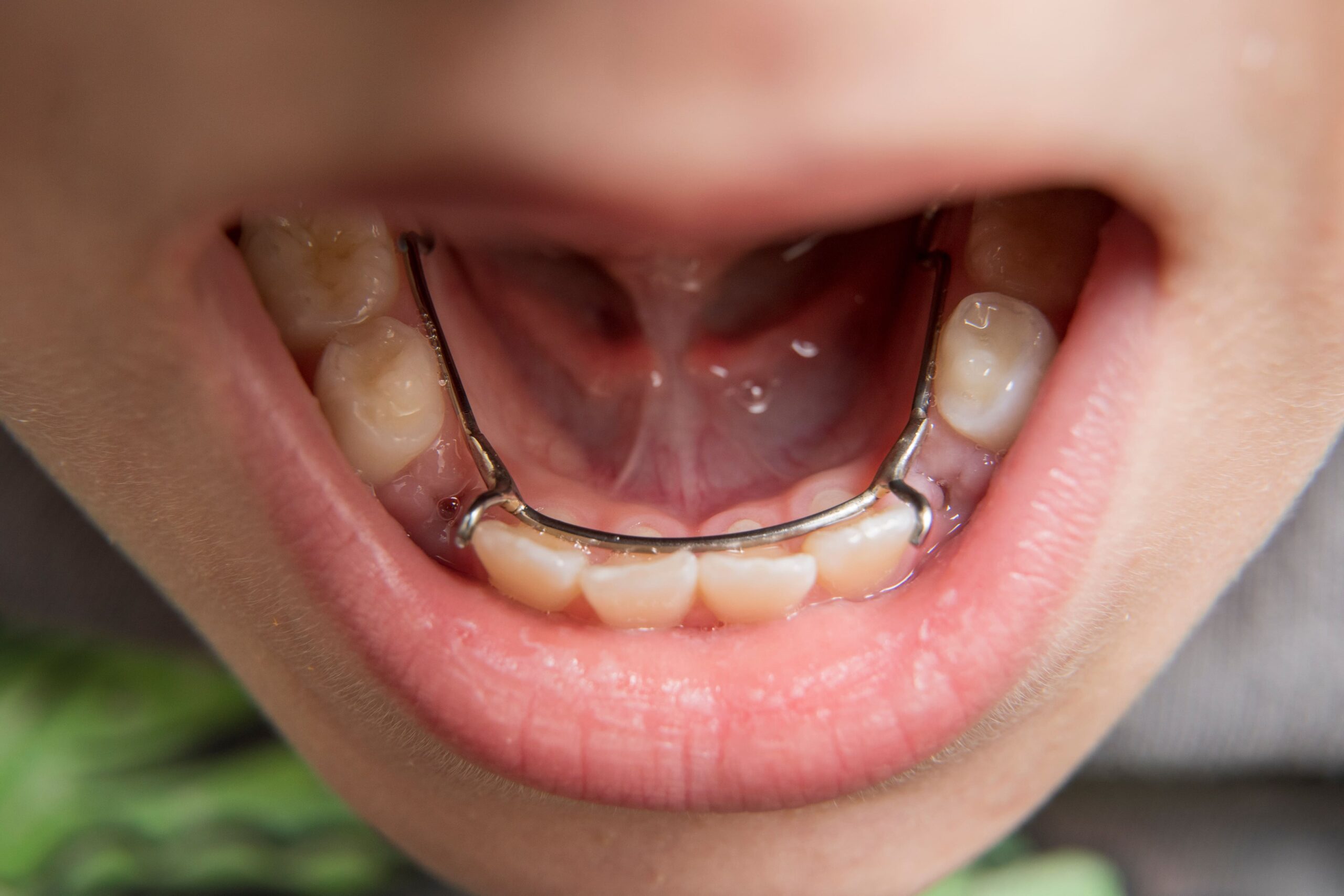
A space maintainer is a dental appliance designed to hold open the space left by a prematurely lost baby tooth.
Baby teeth do more than help children chew and speak. They also help guide permanent teeth into their proper positions. When a primary tooth is lost too early, neighboring teeth may begin moving into the empty space. This can leave less room for the permanent tooth when it is eventually ready to erupt.
A space maintainer helps prevent that unwanted movement.
The appliance does not necessarily make the permanent tooth erupt faster. Instead, it helps preserve the space so the developing tooth has room to come in.
Why Would a Child Lose a Baby Tooth Early?
Baby teeth naturally fall out according to a general developmental pattern. However, some children lose primary teeth significantly earlier than expected.
One common reason is severe tooth decay. A baby tooth may need to be removed if it cannot be restored or is causing discomfort or infection.
An accident or injury can also cause a primary tooth to become loose or require extraction. In other situations, a child’s dentist may recommend removing a baby tooth because of an infection or another dental concern.
When a tooth is lost early, the timing of the permanent tooth’s development becomes an important consideration.
When Is a Space Maintainer Necessary?
Not every child who loses a baby tooth prematurely will need a space maintainer.
The decision depends on several factors, including which tooth was lost, how much time remains before the permanent tooth is expected to erupt, and whether nearby teeth are likely to shift.
Your child’s dentist or orthodontist may evaluate the area using an examination and, when appropriate, dental X-rays. These can help determine the position and development of the permanent tooth.
The Location of the Missing Tooth Matters
Some spaces are more likely to experience unwanted tooth movement than others.
For example, losing a primary molar early can create concerns because neighboring teeth may shift into the space. This could interfere with the eruption of the permanent tooth.
The child’s age and stage of dental development also matter. A child who is still several years away from getting the permanent tooth may have different needs from a child whose permanent tooth is expected soon.
What Happens When the Space Isn’t Maintained?
When a baby tooth disappears early, nearby teeth can gradually drift toward the open area.
That movement may reduce the amount of room available for the permanent tooth. Depending on the situation, the permanent tooth may erupt in an unfavorable position or become crowded.
This is one reason space maintenance for children can be an important part of preventive dental and pediatric orthodontic care.
A space maintainer is essentially protecting a spot that the permanent tooth will eventually need.
What Types of Space Maintainers Are Available?
Space maintainers come in different designs. The appropriate type depends on the location of the missing tooth and your child’s individual needs.
Some appliances are attached to nearby teeth and remain fixed in the mouth. Others may be removable, although fixed appliances are commonly used when consistent space maintenance is important.
A pediatric dentist or orthodontist can determine which design is appropriate after examining your child’s teeth and dental development.
Does a Space Maintainer Hurt?
Getting a space maintainer does not typically involve the same type of treatment as braces. Your child’s provider will carefully fit the appliance to the mouth and explain how to care for it.
There may be a short adjustment period as your child gets used to having something new in their mouth. Eating and speaking may feel slightly different at first, but most children adjust with time.
Parents should encourage children to keep the appliance clean and follow the care instructions provided by their dental team.
How Long Does a Child Wear a Space Maintainer?
There isn’t one set amount of time for every child.
A space maintainer generally remains in place until the permanent tooth is ready to erupt or the provider determines that it is no longer necessary. The timeline can vary depending on the child’s age, the tooth that was lost, and the development of the permanent tooth.
Regular dental visits are important during this period. The appliance and the developing teeth can be monitored to make sure everything is progressing as expected.
Once the permanent tooth is ready to come through, the space maintainer can typically be removed.
How Should Parents Care for a Space Maintainer?
Good oral hygiene remains important while a child is wearing a space maintainer.
Children should continue brushing their teeth regularly and pay attention to the areas around the appliance. Parents may need to help younger children brush thoroughly around the appliance.
It’s also important to follow any dietary recommendations provided by the dental office. Sticky or particularly hard foods may damage certain appliances or cause them to become loose.
If the appliance feels loose, breaks, or becomes uncomfortable, contact your child’s dental provider rather than trying to fix it at home.
Can a Space Maintainer Prevent Braces?
A space maintainer is not a guarantee that a child will never need braces.
Its purpose is much more specific: to preserve the space needed for a developing permanent tooth.
Maintaining appropriate space may help reduce certain alignment problems, but children can still develop crowding, bite problems, or other orthodontic concerns as their permanent teeth emerge.
That’s why ongoing dental and orthodontic monitoring is valuable throughout childhood.
Space Maintainers and Your Child’s Developing Smile
Parents sometimes assume that a missing baby tooth isn’t a concern because another tooth will eventually replace it. In many cases, that’s true. However, the timing of tooth loss can make a significant difference.
A premature loss may give neighboring teeth enough time to move before the permanent tooth is ready to erupt. A space maintainer can help prevent that movement and preserve the natural pathway for the developing tooth.
This makes children’s orthodontic care more than simply straightening teeth. It can also involve monitoring how the jaws and teeth develop over time.
When Should Parents Talk to a Dentist?
If your child loses a baby tooth significantly earlier than expected, it’s worth having the area evaluated.
This is especially important when the tooth was lost because of decay, an accident, infection, or an extraction. Even when your child feels completely fine, there may be changes occurring beneath the gums that aren’t visible.
A pediatric dentist in La Mesa can evaluate your child’s smile and determine whether additional treatment or monitoring is appropriate.
Early attention doesn’t necessarily mean your child needs an appliance. It simply gives the dental team an opportunity to identify potential problems before they become more complicated.
Protect Your Child’s Smile With the Right Care
A baby tooth may seem temporary, but it can play an important role in guiding your child’s developing smile. When a primary tooth is lost too early, a space maintainer may help protect the room needed for the permanent tooth.
Every child’s dental development is different, so the best approach is based on the location of the missing tooth, the child’s age, and the development of the permanent teeth.
Contact Dr. Surillo’s Center for Pediatric Dentistry & Orthodontics
If your child has lost a baby tooth early or you have questions about space maintainers for children, contact Dr. Surillo’s Center for Pediatric Dentistry & Orthodontics in La Mesa, CA. Schedule an appointment to have your child’s developing smile evaluated and learn whether a space maintainer or other treatment may be appropriate.